International Conference on Research in Multidisciplinary Knowledge for Sustainable Modernization and Advancements in Resilient Technologies (RMK SMART) - #71792
IEEE XploreAll the accepted and presented papers will be recommended for inclusion in the IEEE Xplore Digital Library.
Why join RMK SMART?
About the Conference
A premier platform for sharing research and innovations in sustainable technologies.
Conference Theme
“Advancing Technology for a Sustainable Future”
Preamble
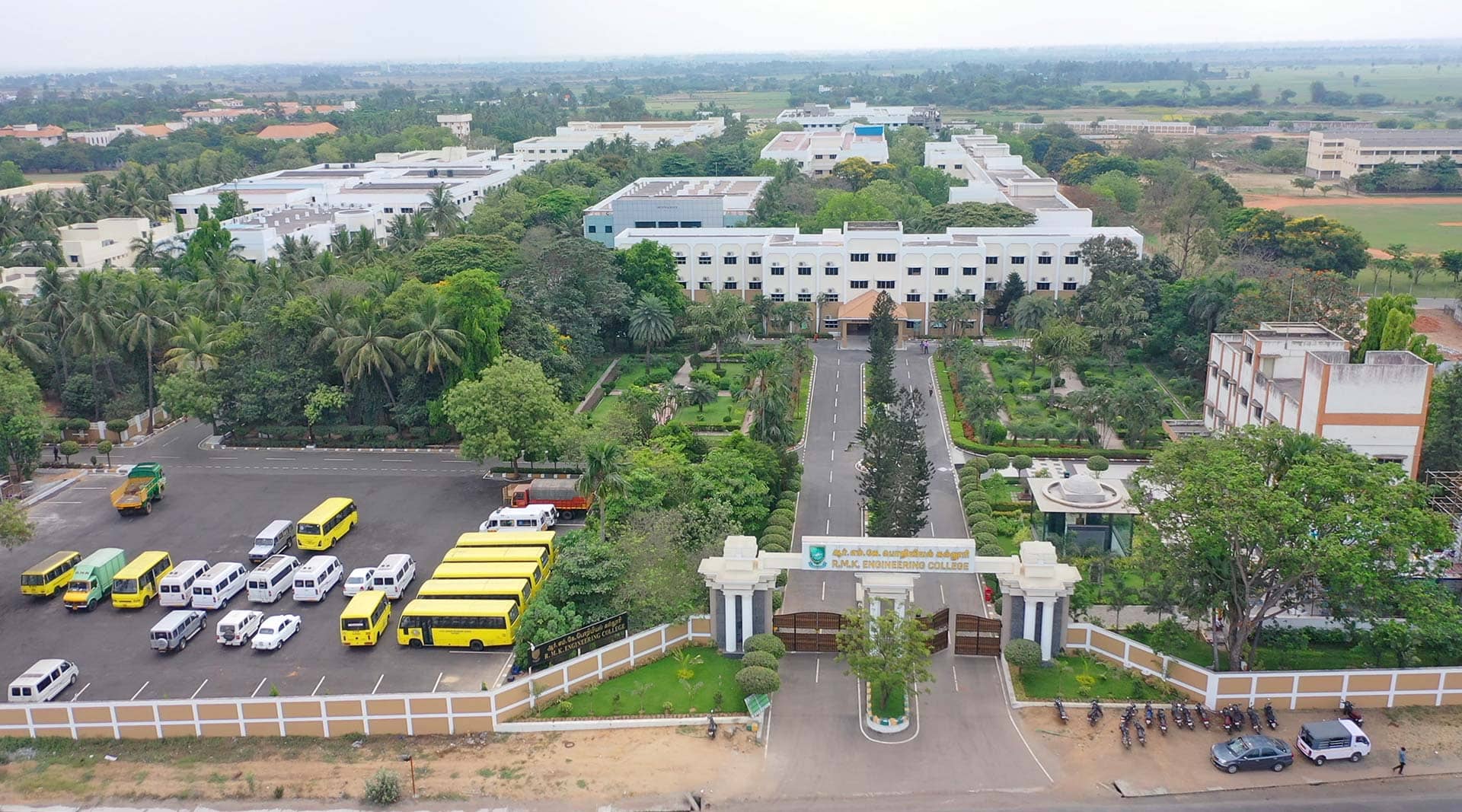
R.M.K. Engineering College (Autonomous), Chennai, India is pleased to organize the International Conference on RMK SMART – Research in Multidisciplinary Knowledge for Sustainable Modernization and Advancements in Resilient Technologies, in association with IEEE, during 03–05 December 2026.
Aim
The RMK SMART Conference aims to bring together researchers, engineers, and industry experts to explore cutting-edge technologies and United Nations Sustainable Development Goals (SDGs).
Scope
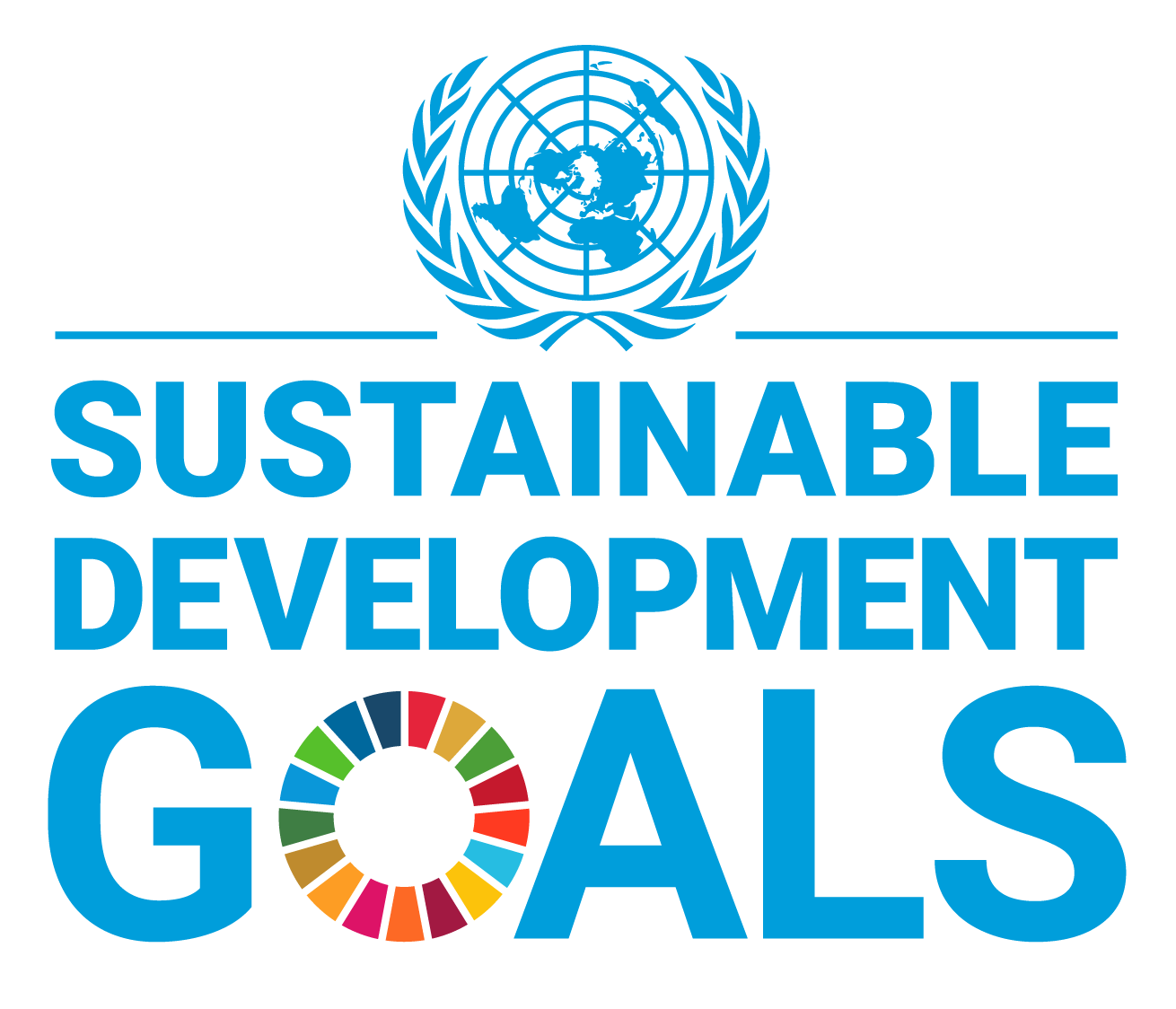
The conference will cover 17 tracks aligned with the United Nations SDGs, focusing on engineering and technology domains.
About the Conference
The RMK SMART Conference is a premier platform for sharing research and innovations in sustainable technologies, fostering collaboration among academia, industry, and policymakers toward achieving the SDGs.
Objectives
Establish a premier international platform for researchers, academicians, industry leaders, and policymakers to exchange innovative ideas.
Advance multidisciplinary research aligned with the United Nations Sustainable Development Goals (SDGs).
Promote sustainable modernization through resilient, ethical, and inclusive technological solutions.
Foster strong academia–industry collaborations and interdisciplinary partnerships.
Encourage young researchers and innovators to contribute to global sustainability goals.
Outcomes
Facilitate and recommend the accepted and presented papers for inclusion in the IEEE Xplore Digital Library.
Develop sustainable and scalable technological solutions aligned with the United Nations Sustainable Development Goals (SDGs).
Strengthen national and international collaborations among academia, industry, and researchers.
Promote effective knowledge sharing on emerging technologies and future research directions.
Contribute to policy development, industrial innovation, economic growth, and improved quality of life.
All the accepted and presented papers will be recommended for inclusion in the IEEE Xplore Digital Library.
The Host
About the Institution
R.M.K. Engineering College, started in the year 1995, has been achieving Academic Excellence for the past 31 years. Our Institution has always been in one among the top 10 positions among all the Engineering colleges affiliated to Anna University and also has maintained excellent placement record. Our college received autonomous status in the academic year 2020-21. In 2008, the College was conferred Bharatiya Vidya Bhavan National Award for its Overall Performance followed by the “Best Principal” Award in the year 2012, by the Indian Society for Technical Education (ISTE) New Delhi. Our College is accredited by NAAC with A+ Grade for 5 years and NAAC has approved our Institution to mentor 10 institutions for NAAC accreditation. Presently, the college offers 9 under-graduate programs and 2 post-graduate programs and 7 eligible UG programmes are accredited by NBA. Our Institution is ranked 155th in the NIRF ranking under the Engineering institutes category in the year 2019 and was ranked 6th across the country in SWACHHTA 2017 ranking by MHRD, Govt. of India. The College has been awarded five-star rating under Institution Innovation Council (IIC) MIC, MHRD, Govt. of India. In the AICTE — CII survey our Institution has been awarded, the Best Industry linked Technical institute for Electronics Engineering & Allied (Degree) in the year 2015, Computer and IT Engineering & Allied (Degree) in the year 2018 and Mechanical Engineering & Allied (Degree) in the year 2019.
To be the nation’s leading institution, fostering excellence in education and research, producing globally competent ethical professionals, committed to societal welfare and sustainable development of the nation.
Institution Mission
To inspire a passion for advanced learning and research, preparing students to dedicate societal advancements and to meet Sustainable Development Goals (SDGs) and global challenges.
To develop robust infrastructure and a supportive environment that fosters effective teaching and learning.
To nurture professional and ethical values in students, while cultivating a spirit of innovation and entrepreneurship simultaneously.
To provide skill-enhancement opportunities that empower students industry-ready and future-focused.
To collaborate with industries and organizations for the exchange of knowledge, technology, and best practices.
About
The Institute of Electrical and Electronics Engineers Inc. (IEEE) is the world’s largest professional association for the educational and the technical advancements. The IEEE offers learning and educational opportunities, sponsors conferences, symposiums, workshops and other technical programmes and also facilitates students’ technical activities through IEEE student chapters.
The IEEE Madras Section was established in 1973 and is in its golden jubilee year. It has an active membership over 7000. It organizes conferences, seminars, workshops, symposia, faculty development programmes and other technical programmes. The section is concerned about the welfare of the students to enrich their skills and knowledge in this part of the country and strives to improve the teaching learning process in the engineering colleges and universities.
Distinguished experts sharing their knowledge, research, and global perspectives.
Keynote Speaker
Dr. Daniel Chandran
Adjunct Fellow
Faculty of Engineering and IT University of Technology Sydney (UTS) Sydney, Australia
Keynote Speaker
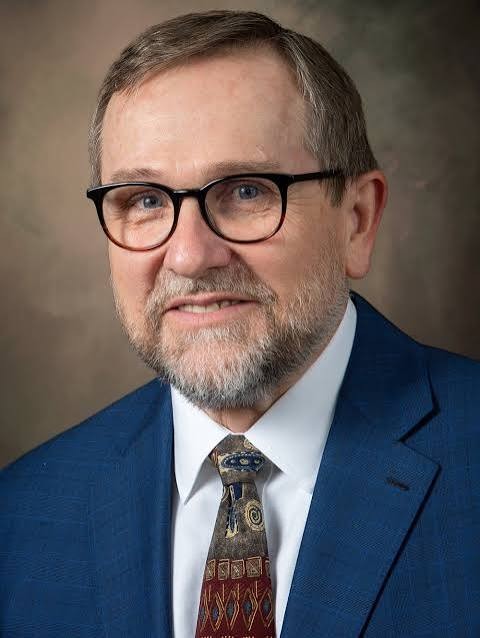
Dr. Manfred “Fred” J. Schindler
2027 IEEE President-Elect
Consultant Newtonville, Massachusetts, USA
Keynote Speaker
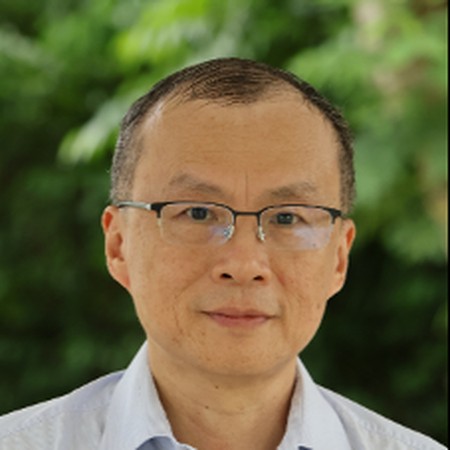
Dr. Lipo Wang
Professor, School of Electrical and Electronic Engineering
Nanyang Technological University, Singapore Editor-in-Chief, International Journal of Computational Intelligence and Applications Senior Editor, IEEE Transactions on Systems, Man, and Cybernetics: Systems Associate Editor, IEEE Transactions on Neural Networks and Learning Systems
Keynote Speaker
Dr. Ali Kashif Bashir
Professor of Computer Networks and Cybersecurity
Director, Secure and Intelligent Systems Research Group Manchester, United Kingdom
Keynote Speaker
Dr. Kemal Polat
Professor, Electrical and Electronics Engineering
Abant İzzet Baysal University Turkey
What to choose?
Call for Papers
The conference invites original, unpublished research papers in the following tracks, aligned with the United Nations’ Sustainable Development Goals (SDGs).
17 tracks, one for every Sustainable Development Goal — choose the one closest to your research.
Track 1
No Poverty (SDG 1)
Technologies for Poverty Alleviation
Affordable technologies for underserved communities
Digital solutions for poverty reduction
AI for poverty prediction
Connectivity for marginalized communities
Track 2
Zero Hunger (SDG 2)
Smart Agriculture & Food Security
Precision agriculture and smart farming systems
IoT-enabled crop monitoring
Agricultural robotics and automation
Sustainable food production technologies
Track 3
Good Health & Well-being (SDG 3)
Healthcare Technologies
AI-based medical diagnostics
Telemedicine and remote healthcare systems
Biomedical signal processing
Smart medical devices and health analytics
Track 4
Quality Education (SDG 4)
Educational Technologies
Intelligent tutoring systems
Digital learning platforms
Learning analytics and adaptive education
Virtual and augmented learning environments
Track 5
Gender Equality (SDG 5)
Inclusive Technologies
Gender-inclusive technology solutions
Assistive and accessibility systems
Human-centered design innovations
Track 6
Clean Water & Sanitation (SDG 6)
Water Sustainability Technologies
Smart water management systems
Water quality monitoring sensors
Wastewater treatment innovations
IoT-enabled water sustainability solutions
Track 7
Affordable & Clean Energy (SDG 7)
Energy Systems
Renewable energy integration
Smart grids and microgrids
Energy storage technologies
Energy-efficient systems and lighting
Track 8
Decent Work & Growth (SDG 8)
Industry 4.0
Intelligent manufacturing systems
Robotics and industrial automation
Digital transformation in industries
Future workforce technologies
Track 9
Industry, Innovation & Infrastructure (SDG 9)
Emerging Technologies
IoT, 5G/6G networks
AI and ML for industrial applications
Smart infrastructure systems
Embedded and cyber-physical systems
Track 10
Reduced Inequalities (SDG 10)
Inclusive Innovations
Assistive technologies
Digital inclusion frameworks
Technologies for differently abled communities
Track 11
Sustainable Cities & Communities (SDG 11)
Smart Cities
Urban IoT systems
Intelligent transportation
Smart buildings and infrastructure
Urban data analytics
Track 12
Responsible Consumption (SDG 12)
Circular Economy
Sustainable manufacturing
Circular materials engineering
Lifecycle assessment technologies
Waste reduction systems
Track 13
Climate Action (SDG 13)
Climate Technologies
Climate modeling and analytics
Environmental sensing networks
Green computing
Renewable integration for climate mitigation
Track 14
Life Below Water (SDG 14)
Marine Technologies
Ocean monitoring systems
Marine pollution control
Remote sensing for aquatic environments
Coastal sustainability technologies
Track 15
Life on Land (SDG 15)
Ecological Technologies
Biodiversity monitoring
Eco-restoration systems
Green materials
Conservation analytics
Track 16
Peace & Justice (SDG 16)
Cybersecurity & Ethics
Cybersecurity frameworks
Privacy-preserving AI
Ethical computing
Trustworthy intelligent systems
Track 17
Partnerships for Goals (SDG 17)
Collaborative Technologies
Academia–industry collaboration platforms
Interdisciplinary research frameworks
SDG-oriented innovation ecosystems
How to submit for RMK SMART?
Paper Submission
This section helps you in formatting your paper and guides you in the submission process.
01
Paper Submission Process
Researchers from academia (faculty, scholars, students), industry, government, and R&D organizations in India and abroad are invited to submit original research papers to RMK SMART. Submissions must present original work with supporting evidence and must not be previously published or under review elsewhere.
The softcopy of the full-length manuscripts (*.doc or *.pdf) shall be submitted through https://cmt3.research.microsoft.com/RMKSMART2026 in the format prescribed by IEEE. Email submission will not be accepted.
The Microsoft CMT service was used for managing the peer-reviewing process for this conference. This service was provided for free by Microsoft and they bore all expenses, including costs for Azure cloud services as well as for software development and support.
03
Guidelines for Paper Submission
All papers must follow submission guidelines and will be peer-reviewed based on originality, technical quality, relevance, and clarity. Acceptance will be informed by email. Authors of accepted papers may revise their work as per reviewer comments. IEEE anti-plagiarism rules apply to all submissions, and authors are solely responsible for any plagiarism.
Papers must follow the standard IEEE conference template in double-column format, with not more than 6 pages only.
The manuscript must be original and include author name(s), email ID(s), and affiliation(s). Embedded links, scanned images, headers, and footers are not allowed.
*Tutorial / Workshop topic will be announced in the conference website by October 2026.
RMK SMART
Registration
Researchers from academia (faculty, scholars, students), industry, government, and R&D organizations in India and abroad are invited to submit original research papers. All the accepted and presented papers will be recommended for inclusion in the IEEE Xplore Digital Library.